Types Of Directional Drilling: From Utility Installation To Pipeline Projects
Directional drilling has become a key method for delivering underground infrastructure with minimal surface disruption. In regions where environmental conditions, existing services, and access constraints must be carefully managed, Directional Drilling Darwin projects increasingly rely on trenchless techniques to achieve accurate and efficient outcomes. For project managers and asset owners, understanding the different types of directional drilling helps support informed decisions around cost, feasibility, and risk.
This construction method is widely used across utilities, pipelines, telecommunications, and civil works. While it offers clear advantages over open trenching, it is not without challenges. Understanding common Problems Directional Drilling can encounter, as well as how different drilling methods address specific site conditions, is essential when planning underground works.
What Is Directional Drilling
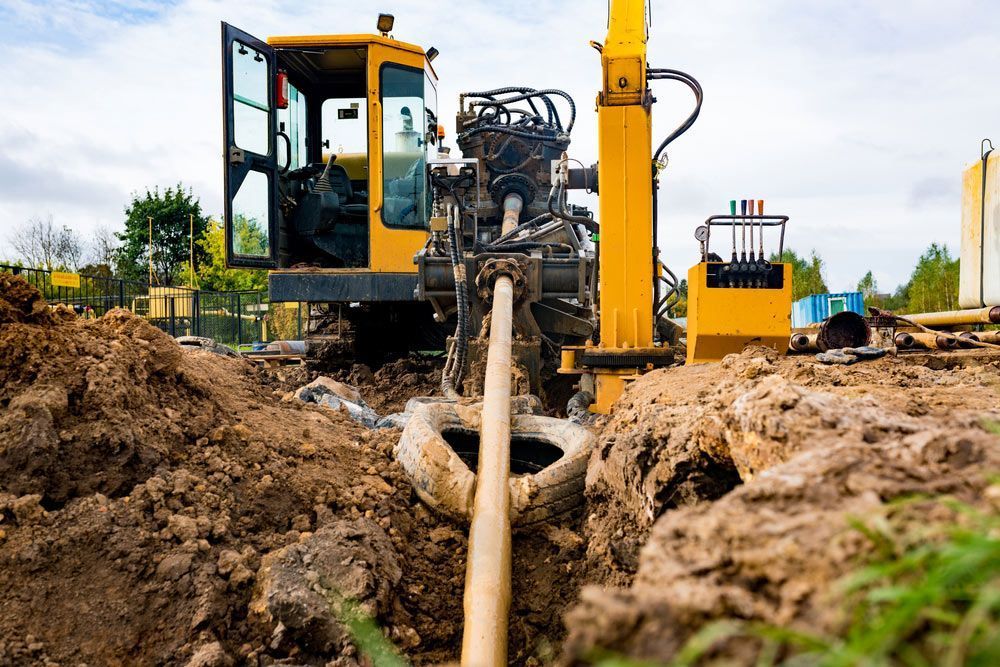
Directional drilling is a trenchless construction technique used to install pipes, conduits, and cables below ground without the need for continuous excavation from the surface. A guided drill path allows services to pass beneath roads, waterways, buildings, and sensitive areas while limiting disruption above ground.
This approach is commonly selected for projects where traditional trenching would be impractical, costly, or environmentally intrusive. Precision planning and specialist equipment are critical to achieving successful outcomes.
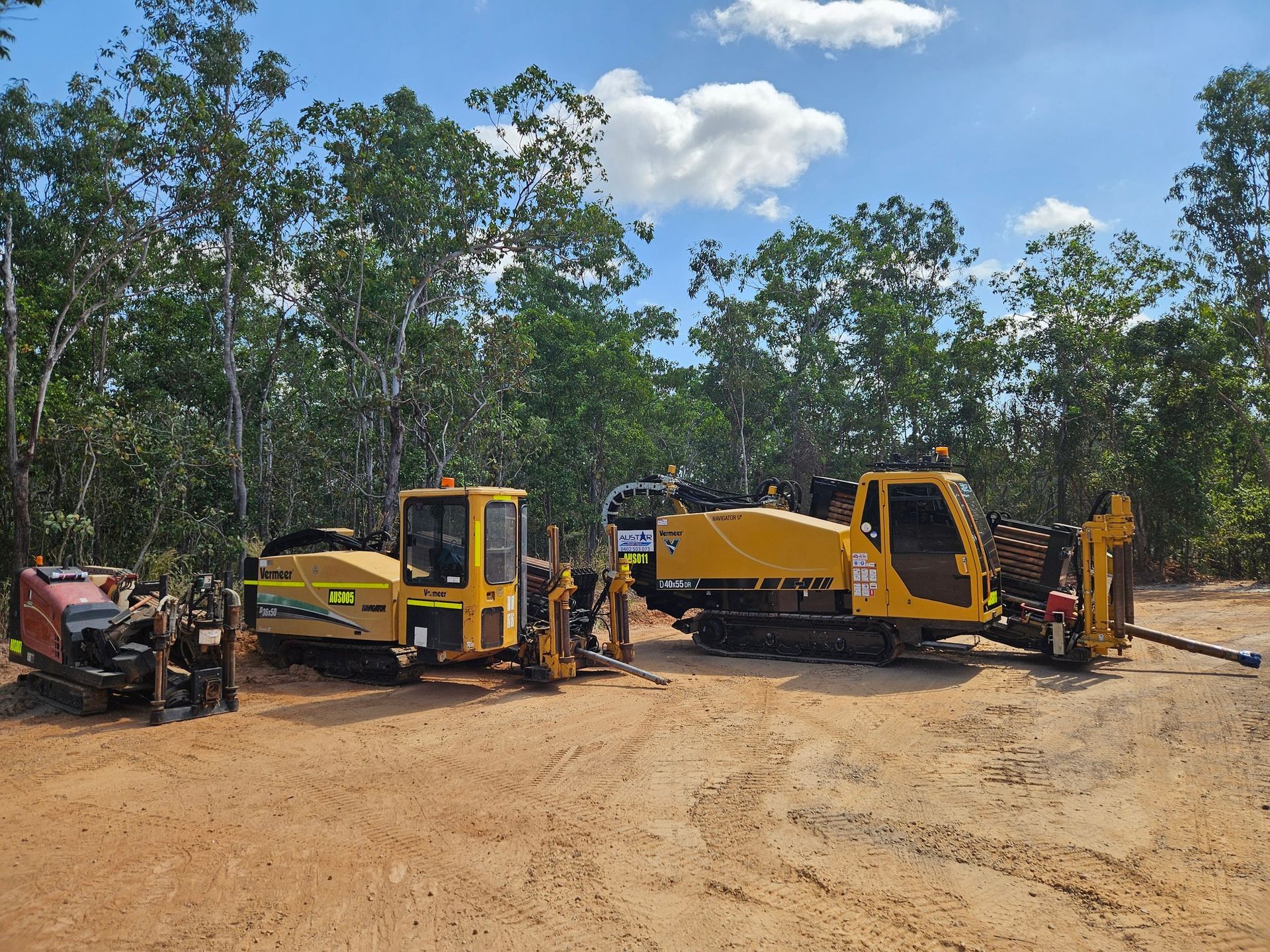
Horizontal Directional Drilling (HDD)
Horizontal directional drilling is one of the most widely used forms of directional drilling. It involves drilling a pilot hole along a planned path, enlarging the hole through reaming, and then pulling the product pipe or conduit back through the bore.
HDD is commonly used for:
- Water and sewer pipelines
- Gas and fuel lines
- Electrical and telecommunications conduits
- Installations beneath roads, rivers, and rail corridors
In Directional Drilling Darwin environments, HDD is often chosen for its ability to navigate varying ground conditions while maintaining alignment accuracy.
Microtunnelling for Precision Projects
Microtunnelling is a remotely controlled, pipe-jacking method used for installing pipelines with high accuracy. It is typically employed on projects that require precise grade control or where ground conditions make other methods less suitable.
Microtunnelling is well suited to:
- Gravity sewer installations
- Stormwater infrastructure
- Projects with strict alignment tolerances
- Urban environments with limited access
This method reduces surface disruption and allows works to proceed beneath existing infrastructure with a high level of control.
Auger Boring for Shorter Crossings
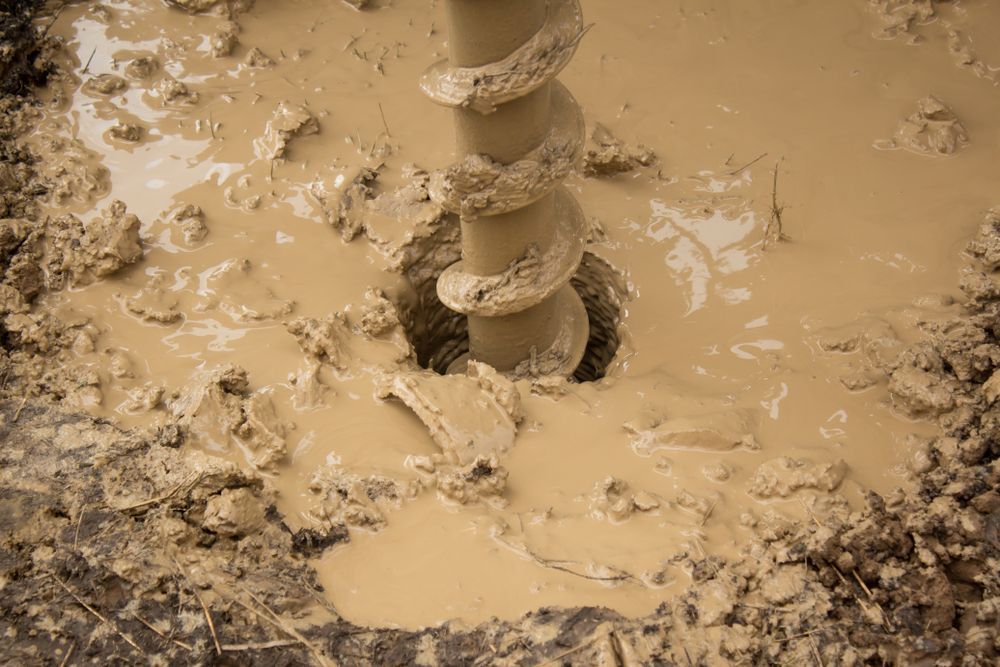
Auger boring is another trenchless technique commonly used for relatively straight, short-distance installations. It involves rotating an auger inside a steel casing to excavate soil as the casing is pushed forward.
Typical applications include:
- Road and rail crossings
- Drainage and culvert installations
- Short pipeline or conduit runs
While auger boring is effective for certain ground types, it requires careful assessment of soil conditions to avoid deviations or blockages.
Applications Across Industries
Directional drilling is used across a wide range of industries due to its adaptability and reduced impact on surrounding environments.
Common applications include:
- Utility installation for water, gas, and power networks
- Telecommunications and fibre optic cabling
- Oil and gas pipeline projects
- Civil infrastructure upgrades in built-up areas
- Council and government works in urban settings
The ability to install services with minimal surface disturbance makes directional drilling particularly valuable in areas with existing infrastructure or environmental constraints.
Benefits Over Traditional Trenching
Directional drilling offers several advantages compared to open trench excavation, particularly in complex or sensitive locations.
Key benefits include:
- Reduced surface disruption and reinstatement
- Improved safety by limiting open excavations
- Ability to work beneath obstacles and structures
- Lower environmental impact in many cases
These benefits often translate into smoother project delivery when conditions are properly assessed and managed.
Common Problems Directional Drilling Can Encounter
Despite its advantages, directional drilling is not without challenges. Understanding potential Problems Directional Drilling projects may face helps with realistic planning and risk management.
Common issues include:
- Unexpected ground conditions
- Bore deviation or alignment challenges
- Fluid management and disposal requirements
- Equipment wear in abrasive soils
These challenges highlight the importance of detailed site investigation, experienced operators, and appropriate method selection.
Environmental and Cost Considerations
Directional drilling is often chosen for its reduced environmental footprint compared to trenching. However, environmental management still plays a significant role, particularly in relation to drilling fluids and spoil control.
Cost considerations vary depending on:
- Ground conditions and bore length
- Project complexity and access constraints
- Equipment and setup requirements
While initial costs may differ from trenching, reduced reinstatement and shorter disruption periods can influence overall project value.
Choosing the Right Directional Drilling Method
Selecting the appropriate drilling method depends on several project-specific factors. No single technique suits every scenario, which is why assessment and planning are essential.
Key considerations include:
- Bore length and diameter
- Ground conditions and groundwater presence
- Accuracy and grade requirements
- Environmental and access constraints
Matching the method to the project helps manage risk and supports efficient delivery.
Directional Drilling in Northern Conditions
Directional Drilling Darwin projects often require additional consideration due to climate, soil variability, and infrastructure density. Seasonal conditions and ground composition can influence method selection and scheduling.
Careful planning and local knowledge support better outcomes in these environments, particularly for projects involving utilities and critical infrastructure.
Discuss Directional Drilling Solutions With Our Team
We at Austar Underground Services provide directional drilling solutions for a wide range of underground infrastructure projects. If you are planning works that require Directional Drilling, Darwin conditions demand careful consideration of ground, access, and environmental factors. Our team can discuss suitable methods and project requirements.
To learn more about our directional drilling services or to start a conversation about your next project, visit https://www.austarundergroundservices.com.au/ or explore our directional drilling capabilities at https://www.austarundergroundservices.com.au/directional-drilling.