Choosing The Right Underground Service Locator For Darwin Projects
Excavation and drilling work carries risks long before machinery touches the ground. Beneath every site sits a network of essential services that must be identified and protected to avoid serious safety incidents, service outages and project delays. Selecting the right underground service locator in Darwin plays a critical role in keeping projects compliant, efficient and controlled, particularly where directional drilling and complex ground conditions are involved.
Accurate locating supports informed planning, safer excavation and confident decision-making. Understanding how locating technologies work, where they apply and how they support drilling and civil works can significantly reduce uncertainty before work begins.
Why Accurate Service Locating Matters Before Any Darwin Excavation
Before any excavation or drilling starts, understanding what lies beneath the surface is essential. Underground service locating reduces the likelihood of striking live utilities, which can pose safety hazards, result in costly repairs and lead to project shutdowns. Accurate locating supports controlled excavation and safer site management across construction and civil works.
Professional locating allows teams to plan around existing infrastructure rather than reacting to unexpected discoveries mid-project. This is particularly important where drilling paths must be carefully managed.
Key reasons accurate locating matters include:
- Identifying gas, water, electrical & telecommunications infrastructure before ground disturbance
- Supporting safer excavation & drilling pathways
- Reducing downtime caused by unexpected service strikes
- Improving coordination between contractors & site supervisors
Early locating provides clarity that supports better sequencing and risk management throughout a project lifecycle.
Understanding Darwin’s Underground Environment & Hidden Infrastructure
Subsurface conditions can vary significantly depending on the development history and the density of infrastructure. Older assets, undocumented services and mixed utility corridors increase the importance of reliable detection methods. Locators must account for both modern installations and legacy infrastructure that may not appear on plans.
Ground composition, service depth and congestion all influence how locating tools perform. Understanding these factors helps determine which detection approach best suits the task at hand.
Common underground challenges include:
- Overlapping services installed at different periods
- Limited separation between utilities
- Incomplete or outdated asset records
- Varying soil conditions affecting signal clarity
Recognising these complexities early allows projects to select appropriate locating techniques and avoid assumptions that lead to errors.
Magnetic, Electromagnetic, or GPR Locators: Which One Fits Your Project?
Different locating technologies serve different purposes, and selecting the right tool depends on the type of utility, ground conditions and the work being undertaken. No single method suits every scenario, which is why professional assessment plays an important role in underground investigations. Experienced operators consider site constraints, service materials and depth requirements before choosing an approach.
Each technology offers distinct advantages, including:
- Magnetic locating, which identifies ferrous objects such as steel pipes, tanks and cables
- Electromagnetic locating, which traces conductive services like power, telecommunications and some water lines
- Ground Penetrating Radar (GPR), which detects non-conductive materials and provides depth and subsurface profiling
Combining multiple methods often produces the most reliable results. Matching technology to project requirements improves accuracy and reduces reliance on guesswork during excavation or drilling preparation.
How Service Locating Supports Safe Directional Drilling in Darwin
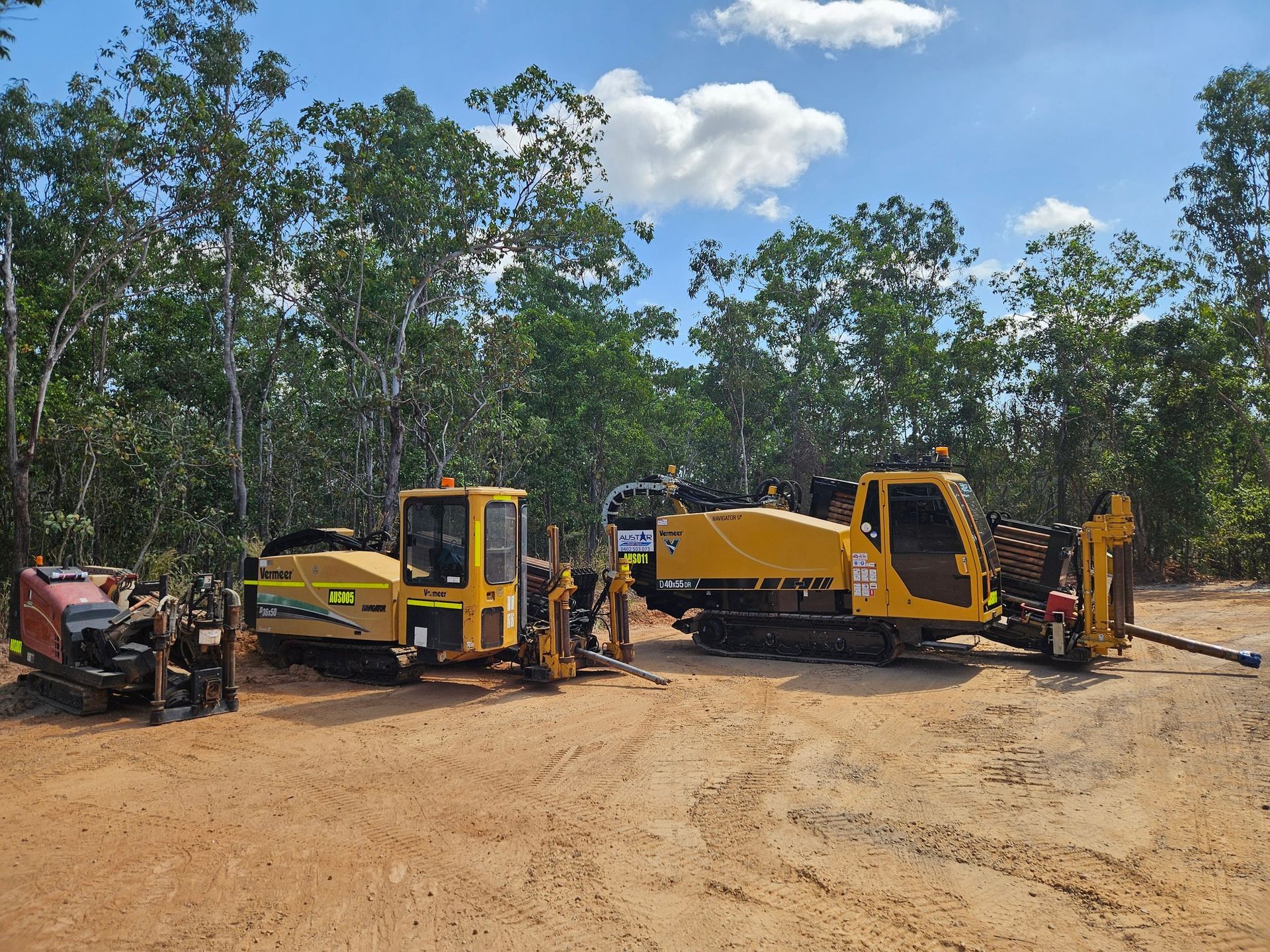
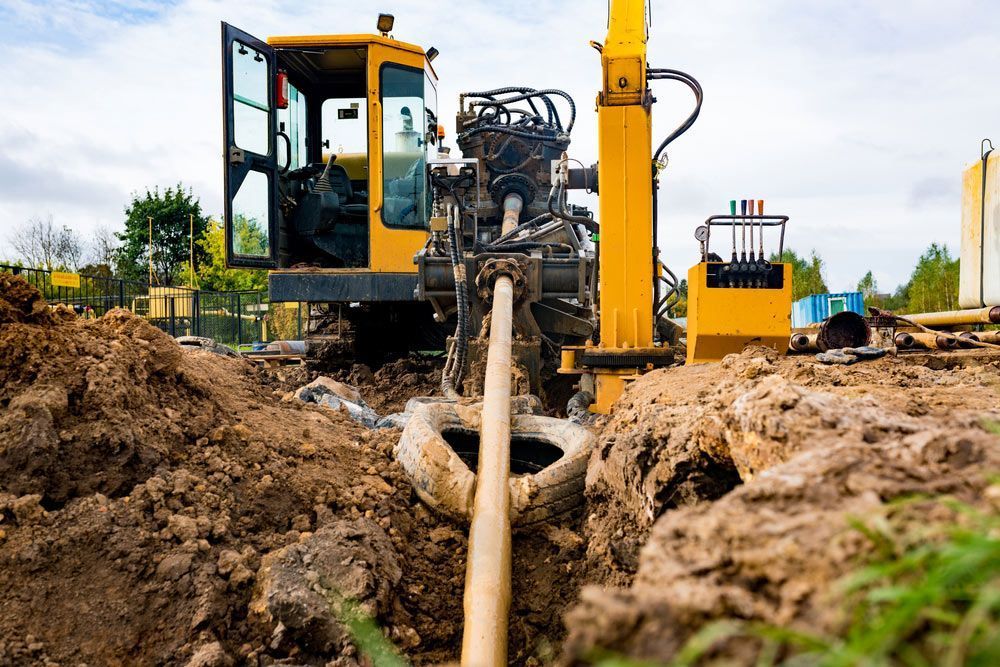
Directional drilling requires precise planning to avoid conflicts with existing services. Accurate locating ensures drilling paths are designed with confirmed clearance, reducing the risk of strikes during bore execution.
Service locating supports drilling accuracy by:
- Mapping service locations before bore alignment
- Confirming depth & proximity of utilities
- Supporting safe entry & exit points
- Reducing the need for reactive adjustments mid-drill
When drilling paths are informed by verified locating data, crews maintain better control over alignment and depth. This improves efficiency and supports compliance across trenchless installation works.
Avoiding Costly Utility Strikes & Project Delays on NT Worksites
Utility strikes carry financial, operational and safety consequences. Repairs can halt progress, trigger investigations and disrupt surrounding infrastructure. Accurate service locating reduces exposure to these risks by identifying conflicts before work begins.
Preventative locating helps projects:
- Avoid emergency shutdowns & service outages
- Maintain planned construction schedules
- Reduce remediation & reinstatement costs
- Improve on-site safety outcomes
Investing time in accurate locating early supports smoother project delivery. It allows teams to plan confidently and avoid the cascading effects that follow unexpected utility damage.
Compliance, Safety Standards & Duty of Care in Underground Works
Excavation and drilling activities carry legal and safety obligations. Duty of care requires reasonable steps to identify and manage risks associated with underground services. Professional locating supports compliance by providing documented evidence of risk mitigation.
Key compliance considerations include:
- Adhering to excavation safety guidelines
- Demonstrating due diligence through service detection
- Supporting safe work method statements
- Reducing liability exposure
Accurate locating forms part of a broader safety framework that protects workers, infrastructure and project stakeholders while supporting responsible site management.
What to Look for in an Underground Service Locator Provider in Darwin
Choosing a service provider involves more than selecting equipment. Experience, methodology and reporting standards all influence outcomes. A reliable provider applies appropriate technology and interprets findings accurately.
Important selection factors include:
- Ability to apply multiple locating techniques
- Clear documentation & site markings
- Understanding of excavation & drilling workflows
- Alignment with safety & compliance requirements
A considered approach to provider selection supports reliable outcomes and reduces the likelihood of misinterpretation during excavation planning.
Integrating Service Locating Into Civil, Utility & Development Projects
Service locating should be integrated into project planning rather than treated as a standalone task. Early coordination between locators, engineers and site teams improves communication and reduces late-stage changes.
Effective integration supports:
- Better sequencing of excavation & drilling activities
- Reduced rework due to unexpected service conflicts
- Clearer communication across contractors & consultants
- Improved project certainty from planning to completion
When locating is embedded into workflows, it becomes a proactive risk management tool rather than a reactive requirement.
Start With Accurate Locating
At Austar Underground Services, we support excavation and directional drilling projects in Darwin by providing accurate service locating that manages risk, protects infrastructure and supports compliance in challenging ground conditions. If your project requires reliable underground detection before excavation or drilling, contact our team to discuss how we can support safe and informed planning for your next site.