How Directional Drilling Reduces Utility Strikes And Construction Risks
Construction and infrastructure projects often involve working around complex underground networks of water pipes, gas lines, electrical cables, and telecommunications infrastructure. One of the most significant risks in these projects is accidental damage to existing services, commonly referred to as utility strikes. These incidents can cause project delays, safety hazards, and costly repairs.
Directional drilling offers a practical solution to reduce these risks. As a trenchless construction method, it allows underground installations to be completed with minimal surface disruption and greater precision. For projects requiring directional drilling, Darwin contractors rely on this method for its ability to improve safety and control.
Understanding how
Darwin directional drilling reduces utility strikes and construction hazards can help project managers and engineers make informed decisions when planning underground works.
What Is Directional Drilling
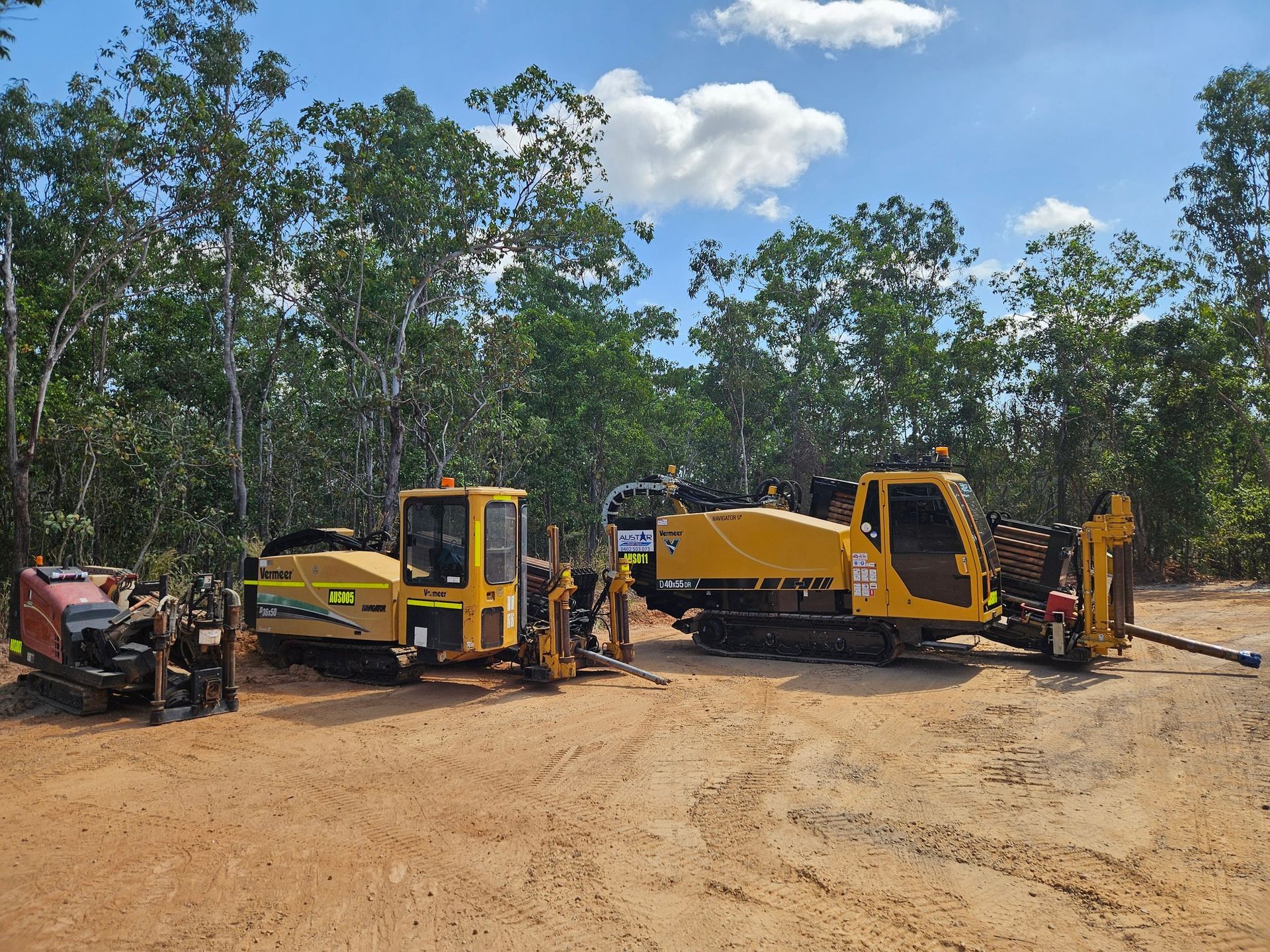
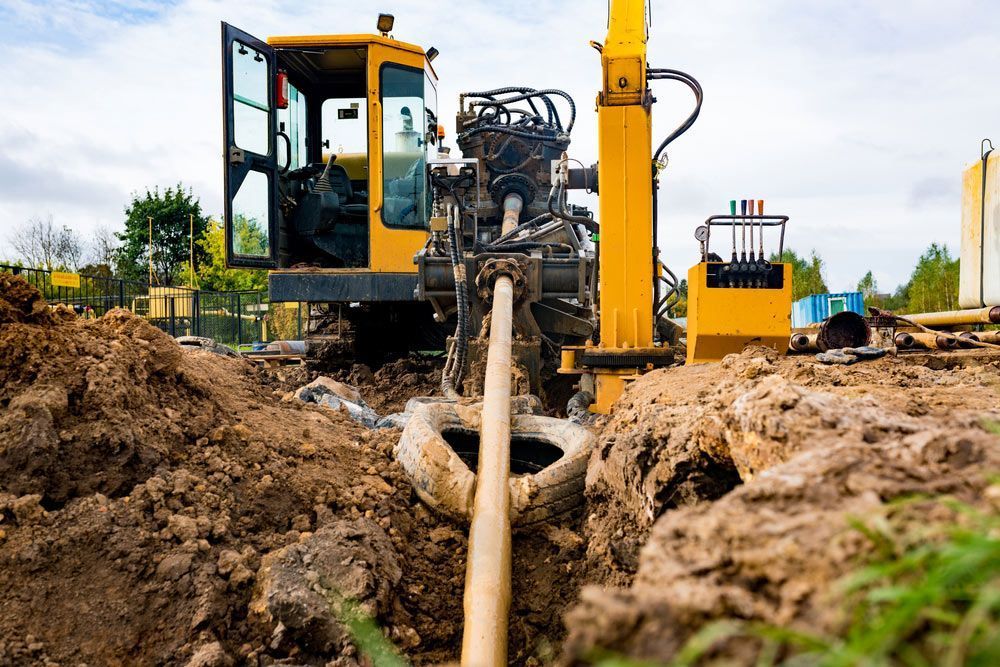
Directional drilling, often referred to as horizontal directional drilling or HDD, is a trenchless method used to install underground utilities without large open trenches. Instead of excavating the entire length of a pipeline or conduit, a pilot hole is drilled along a predetermined path. The bore is then enlarged, and the utility line is pulled back through the drilled pathway.
This method is commonly used for:
- Water mains
- Gas pipelines
- Electrical conduits
- Telecommunications cabling
- Stormwater systems
Directional drilling Darwin projects often take place in urban areas, under roads, or near sensitive infrastructure where open excavation would be disruptive or unsafe.
How Utility Strikes Occur in Traditional Trenching
Open-cut trenching requires digging along the entire route of a new service. While utility mapping and locating services are used, unexpected discrepancies between records and actual conditions can still occur.
Utility strikes during traditional trenching may result from:
- Inaccurate or outdated service plans
- Unidentified private services
- Manual excavation errors
- Limited visibility of buried infrastructure
- Congested underground service corridors
Striking a gas line, water main, or electrical cable can create serious safety risks and substantial project delays.
Precision Planning in Directional Drilling
One of the key advantages of directional drilling that Darwin contractors implement is the level of planning involved before drilling begins.
The process typically includes:
- Detailed site assessments
- Underground service locating
- Review of service plans
- Geotechnical evaluation
- Bore path design using digital mapping
The pilot bore is guided using tracking systems that monitor depth, angle, and location in real time. This precision significantly reduces the risk of unintentionally contacting existing utilities.
Reduced Surface Disturbance Means Lower Risk
Because directional drilling requires only entry and exit points rather than continuous excavation, surface disruption is minimised. This reduces the number of exposed areas where contact with other services may occur.
Compared with open-cut trenching, directional drilling on Darwin projects often involves:
- smaller work zones
- fewer open excavations
- reduced heavy machinery movement
- limited interaction with adjacent services
By keeping excavation contained, the likelihood of damaging nearby infrastructure decreases.
Improved Worker Safety on Site
Construction sites present various risks, particularly when working in deep trenches or near live services. Directional drilling reduces some of these hazards by limiting open excavations and manual digging.
Safety benefits include:
- reduced risk of trench collapses
- fewer workers exposed to open pits
- decreased chance of accidental service contact
- less heavy equipment operating in confined areas
- improved traffic management in urban environments
For infrastructure projects in built-up areas, Darwin directional drilling provides a safer alternative to traditional excavation.
Applications Across Utility Installations
Directional drilling is widely used for various utility installations where minimising risk is critical.
Water and Sewer Infrastructure
Installing water mains and sewer lines underground with precision reduces the chance of cross-contamination and accidental service damage.
Gas Pipelines
Gas line installations require strict safety controls. Trenchless methods lower the risk of impacting nearby utilities and reduce exposure to live gas infrastructure.
Electrical Conduits
Electrical installations benefit from controlled bore paths, helping avoid existing power cables and reducing the risk of outages.
Telecommunications
Fibre optic and communications cables are often installed in congested corridors. Directional drilling Darwin projects allow for careful placement without disrupting surrounding services.
Lower Environmental Impact
Traditional trenching can significantly disturb soil, vegetation, and surface structures. Directional drilling minimises environmental impact by preserving the surface wherever possible.
Environmental advantages include:
- Reduced soil displacement
- Minimal damage to landscaping
- Fewer reinstatement works
- Protection of tree root systems
- Reduced sediment runoff
In environmentally sensitive areas or near waterways, trenchless methods offer a more controlled approach.
Faster Project Completion
Utility strikes often lead to delays, emergency repairs, and compliance investigations. By reducing the likelihood of service damage, directional drilling can contribute to more predictable timelines.
Other time-related benefits include:
- Reduced excavation and backfilling
- Minimal reinstatement requirements
- Fewer traffic disruptions
- Streamlined approvals in certain applications
While each project varies, directional drilling Darwin contractors use often supports efficient scheduling.
Cost Considerations and Risk Reduction
Although trenchless methods can involve specialised equipment, the broader project costs may be lower when risk is reduced. Avoiding utility strikes can prevent:
- Emergency repair costs
- Fines or penalties
- Extended labour time
- Damage claims
- Service interruption compensation
When evaluating total project cost, reducing risk is a key factor for civil engineers and developers.
Urban Infrastructure and Congested Corridors
In urban settings, underground space is often crowded with overlapping services. Traditional excavation in these areas increases the chance of damaging unknown or unrecorded infrastructure.
Directional drilling Darwin projects are well suited to:
- Road crossings
- Installations beneath driveways
- Upgrades in busy commercial zones
- Works near schools or hospitals
- Installations under rail corridors
The ability to drill beneath obstacles without disturbing them makes trenchless solutions highly practical.
Planning and Professional Execution Matter
While directional drilling reduces risk, proper planning and experienced operation remain essential. Bore design, equipment calibration, and continuous monitoring are critical to maintaining control throughout the process.
Key elements include:
- Accurate service locating
- Skilled drill operators
- Real-time tracking systems
- Adherence to safety procedures
- Compliance with local regulations
Successful Darwin directional drilling projects depend on preparation, coordination, and controlled execution.
Why Directional Drilling Is a Safer Alternative
When compared with traditional open-cut methods, directional drilling offers:
- Improved precision
- Reduced exposure to live utilities
- Enhanced worker safety
- Lower environmental disruption
- Fewer service interruptions
- More controlled installations
For infrastructure planners, councils, and developers, reducing risk is often just as important as reducing cost.
Partner With a Directional Drilling Specialist in Darwin
We at Austar Underground Services provide directional drilling for Darwin projects that depend on us for controlled and efficient underground installations. Our team works with engineers, construction managers, and utility providers to deliver trenchless solutions that minimise disruption and reduce risk.
To learn more about how directional drilling Darwin can support your next project, visit directional drilling page and explore our services.
Choosing a trenchless approach can help improve safety outcomes and reduce the likelihood of costly utility strikes across a wide range of infrastructure projects.