How Directional Drilling Supports NBN & Fibre Rollouts In Darwin
Installing new fibre through an established area does not always mean opening a trench along the entire route. For telecommunications projects, directional drilling in Darwin provides a trenchless way to install conduit beneath roads, driveways, developed sites and other obstacles while limiting surface disruption.
That makes horizontal directional drilling, or HDD, particularly useful for NBN upgrades and other fibre projects where contractors need an underground pathway without excavating continuously from one end of the route to the other.
How Is NBN Fibre Installed Underground?
Underground fibre installations commonly involve placing protective conduit below the surface and then using that pathway for the communications cable.
Where open trenching is practical, a trench can be excavated along the proposed route. Directional drilling provides another option when the route needs to cross underneath existing surfaces or infrastructure.
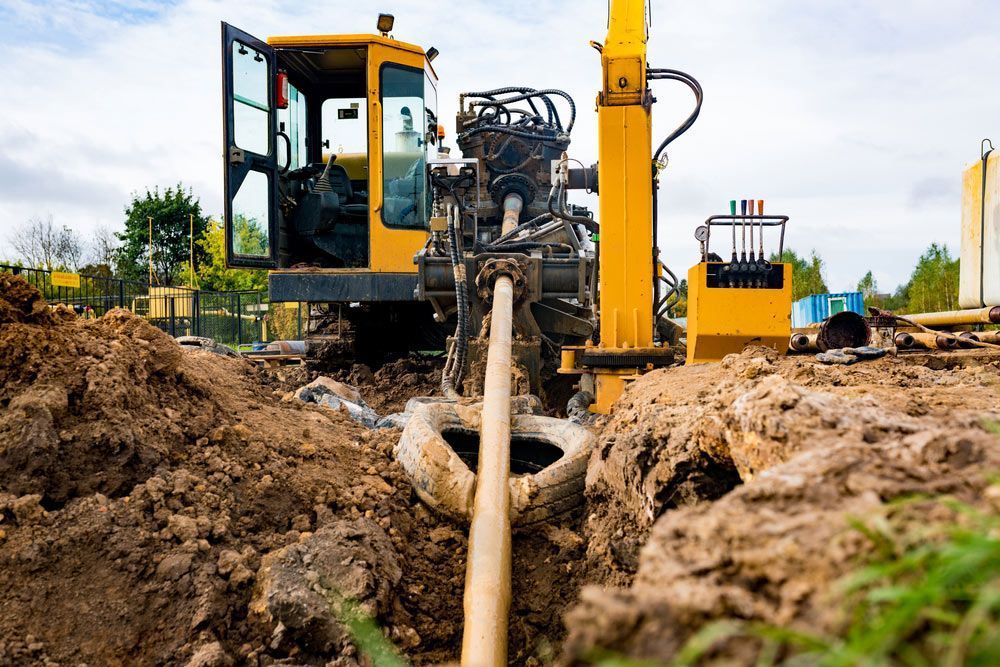
The HDD process generally involves:
- Drilling a pilot bore along a planned underground alignment
- Tracking the drill head to control direction and depth
- Enlarging the bore where necessary
- Pulling conduit back through the completed pathway
- Using the conduit for the required telecommunications infrastructure
Fibre-optic and communications infrastructure are common HDD applications because the method creates a controlled underground route with less surface disturbance.
For a broader explanation of the process, see how trenchless technology works for underground utility installations.
Why Is Directional Drilling Useful For Fibre Rollouts In Established Darwin Areas?
Existing streets can already contain a dense mix of power, water, sewer and telecommunications infrastructure.
Opening a continuous trench through that environment can affect roads, driveways, landscaping, hardstands and access. It can also create additional work around spoil removal and surface reinstatement.
Directional drilling reduces the amount of continuous excavation required. Entry and exit areas are still needed, but the bore itself travels below the surface.
For an NBN fibre rollout through an established Darwin area, this can be particularly useful when the proposed route needs to pass:
- Beneath roads
- Under driveways
- Across developed properties
- Through congested service corridors
- Beneath finished surfaces
- Around existing structures
The method does not eliminate every project constraint, but it gives telecommunications contractors another way to deliver underground conduit without disturbing the entire route above it.
Does Directional Drilling Damage Existing Underground Cables?
Directional drilling is designed to create a controlled bore path, but existing underground services still need to be identified before drilling begins.
Darwin sites may contain electrical cables, telecommunications lines, water services, sewer infrastructure and other buried assets. Their actual position and depth need to be understood so the bore can be planned around them.
Cable locating can help identify metallic underground services, while other locating methods may be required where non-metallic infrastructure is involved.
This preparation is an important part of reducing the risk of a utility strike. A planned bore can then be guided around known infrastructure rather than relying on excavation records or assumptions alone.
For projects where existing services need to be mapped before work starts, cable locating in Darwin can form part of the planning process.
Can Fibre Be Installed Without Digging Up The Whole Street?
Directional drilling can significantly reduce the amount of surface excavation required for an underground fibre route.
Instead of opening a continuous trench, a drill travels underground between planned points. The conduit can then be pulled through the completed bore.
For established streets, this can help preserve more of the existing surface and reduce the amount of reinstatement required afterwards. That does not mean a fibre project involves no excavation at all. Entry and exit points, pits, connection locations and other project requirements may still need access from the surface.
The benefit is that HDD can remove the need to excavate continuously along sections of the route where a trench would otherwise pass through roads, driveways or other developed areas.
How Does HDD Help With Fibre Routes Around Existing Infrastructure?
One of the strengths of horizontal directional drilling is that the bore path can be planned rather than simply following a straight surface trench.
Tracking technology allows operators to monitor the drill head as the pilot bore progresses. This gives the crew greater control over alignment and allows the planned route to account for known underground obstacles.
For underground fibre installation, that can be useful where telecommunications conduit needs to:
- Pass below a roadway
- Avoid existing utilities
- Cross beneath an established driveway
- Navigate a busy underground service corridor
- Reach a connection point without disturbing the full surface route
This level of control is one reason directional drilling is used for telecommunications and fibre-optic infrastructure.
Does Directional Drilling Work In Darwin's Ground Conditions?
Ground conditions are an important consideration on every HDD project.
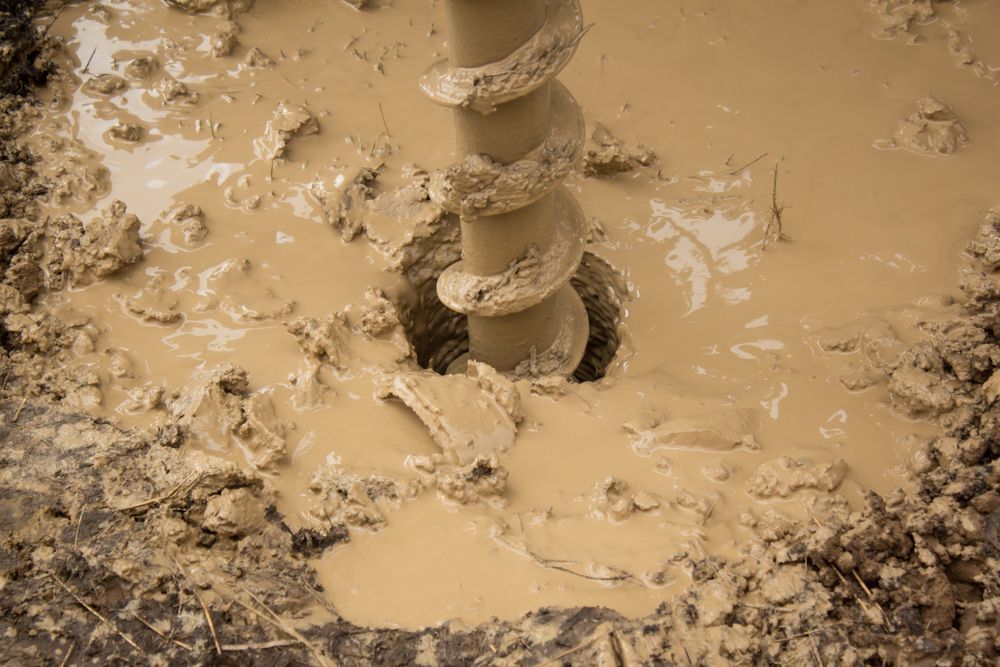
For fibre projects, Darwin’s ground conditions can influence bore planning, rig selection and how the conduit route is delivered. Different soil types can affect drilling technique and the way the bore progresses, while soft ground, clay, sand and harder material can all require different approaches.
Darwin projects also need to account for seasonal weather, access and existing infrastructure. These conditions do not automatically rule out directional drilling, but they make early site assessment and route planning important.
For telecommunications contractors and developers, the drilling method should be selected around the actual project rather than assuming one approach will suit every fibre route.
What Information Is Needed Before A Fibre Bore Begins?
A successful bore starts with more than knowing the beginning and end points.
Before work starts, the project team should understand:
- The proposed fibre or conduit route
- Entry and exit locations
- Existing underground services
- Required crossings
- Ground conditions
- Access for drilling equipment
- Connection or pit locations
- Any restrictions around roads or developed surfaces
The size and type of conduit also need to suit the telecommunications installation being delivered.
Good planning helps determine whether HDD is practical for the route and what locating or preparation needs to happen first.
Why Use Directional Drilling For Telecommunications Infrastructure?
The main advantage is not simply that HDD involves less digging. It is the ability to install underground services through areas where continuous trenching would create greater disruption.
For telecommunications work, the method can offer:
- Reduced disturbance to finished surfaces
- Controlled underground alignments
- Fewer continuous open excavations
- The ability to pass beneath roads and other obstacles
- Less reinstatement along the bore route
- Greater flexibility around existing infrastructure
That makes HDD relevant to both new telecommunications infrastructure and upgrades through already-developed areas.
Plan Directional Drilling For Your Next Darwin Fibre Project
At Austar Underground Services, we provide directional drilling in Darwin for telecommunications, fibre-optic and other underground utility installations.
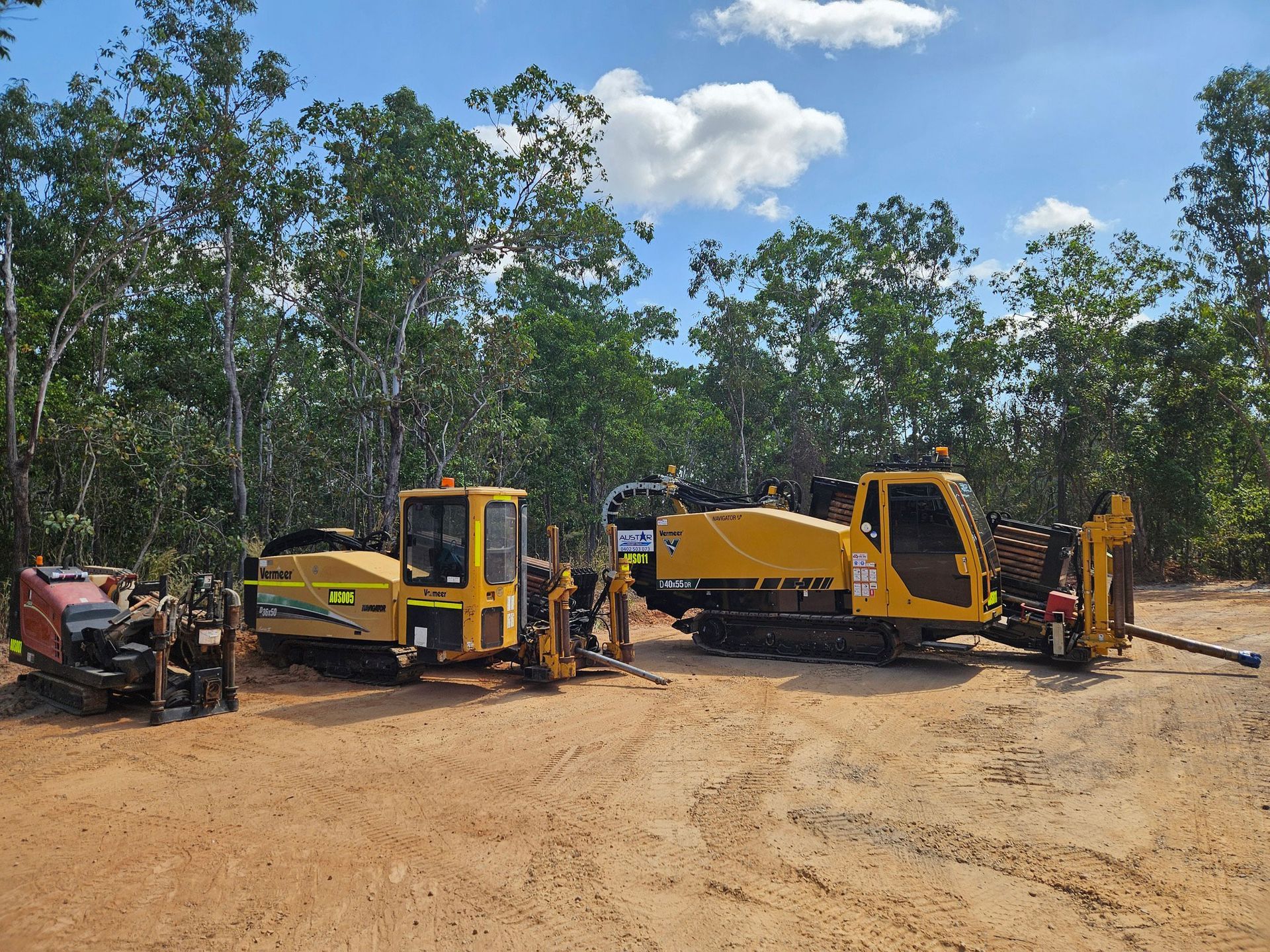
Our directional drilling equipment can install conduit and cables beneath roads, developed areas and existing infrastructure with reduced surface disturbance. We also provide cable locating, GPR and other underground service locating to support project planning before drilling begins.
If you are planning an NBN upgrade, fibre route or other communications installation,
get in touch to discuss the proposed alignment, site constraints and drilling requirements.
Frequently Asked Questions