Key Tools and Equipment Used in Directional Drilling
Directional drilling has become an essential method for installing underground utilities while minimising surface disruption. This trenchless technique is widely used for projects such as water pipelines, telecommunications cables, gas lines and electrical infrastructure. By allowing contractors to drill accurately beneath roads, rivers and built-up areas, directional drilling helps maintain existing landscapes and reduce construction impact.
For projects in the Northern Territory, Darwin directional drilling services rely on specialised equipment designed to improve accuracy, efficiency and safety. Understanding the tools used during drilling operations can help contractors, engineers and project managers appreciate how modern directional drilling projects are completed successfully.
This guide explains the key equipment involved in directional drilling in Darwin and how each component contributes to reliable underground installation.
Drill Rigs: The Core of Directional Drilling
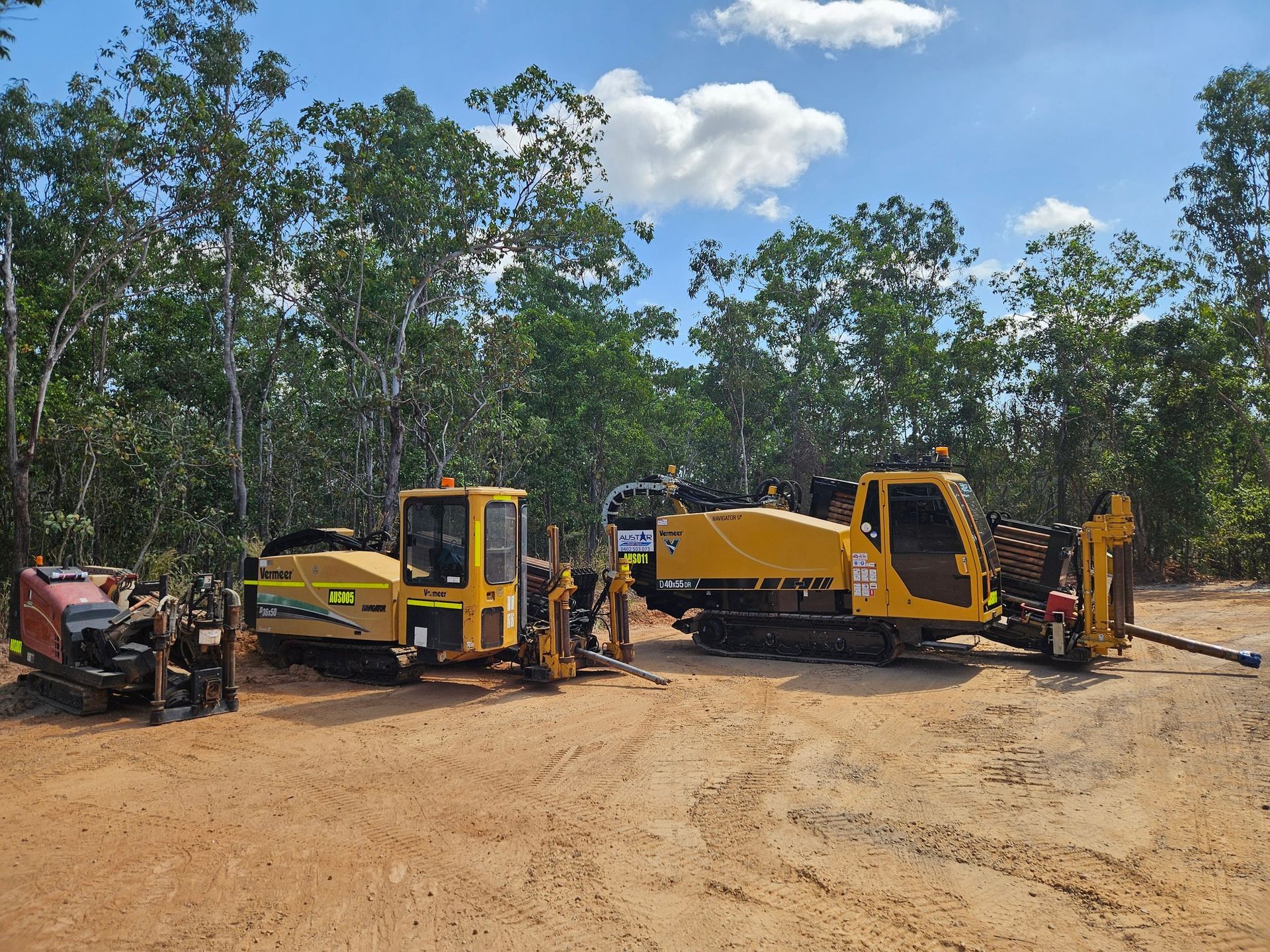
The drill rig is the primary piece of equipment used in directional drilling operations. It provides the power and control needed to drive the drill head underground along a predetermined path. Drill rigs used in directional drilling projects are designed to perform three key tasks:
- Rotating the drill string to cut through soil or rock
- Applying thrust and pullback force to advance the bore
- Controlling the direction of the drilling process
Modern rigs are often equipped with advanced control systems that allow operators to adjust drilling parameters based on ground conditions. Depending on the size and complexity of the project, rigs can range from compact machines suitable for small installations to large, high-powered units used for major infrastructure projects.
For utility installation across urban and industrial environments, reliable drill rigs play a critical role in the success of Darwin directional drilling operations.
Drill Bits and Cutting Tools
At the front of the drilling assembly is the drill bit, which cuts through the soil or rock as the drill advances. The type of drill bit used depends heavily on the ground conditions encountered during the project. Common drill bit types include:
Soft Soil Bits
These bits are designed for drilling through clay, sand and softer ground conditions. They typically feature angled surfaces that help guide the drill head through the soil.
Rock Drill Bits
When drilling through harder geological formations, specialised rock bits may be used. These bits often contain durable materials such as tungsten carbide to improve cutting performance.
Reamers
After the initial pilot hole is drilled, reamers are used to enlarge the hole so it can accommodate the installation of pipes or conduits. Reamers help ensure the borehole is the correct size and shape for the final installation.
Choosing the correct drill bit is essential for maintaining efficiency and preventing delays during works.
Tracking and Guidance Systems
Accuracy is one of the most important aspects of directional drilling. Unlike traditional excavation, operators cannot directly see the drill head once it enters the ground. Instead, specialised tracking systems are used to monitor the drill’s location and direction. Tracking and guidance systems typically include:
- Transmitters placed inside the drill head
- Surface receivers used by technicians above ground
- Monitoring software that displays depth, angle and position
These systems allow drilling teams to maintain precise control over the bore path. Adjustments can be made in real time to avoid obstacles such as existing utilities, foundations or underground structures.
For complex infrastructure projects, advanced guidance technology helps ensure Darwin directional drilling operations remain accurate and compliant with project specifications.
Drilling Fluid Systems and Mud Pumps
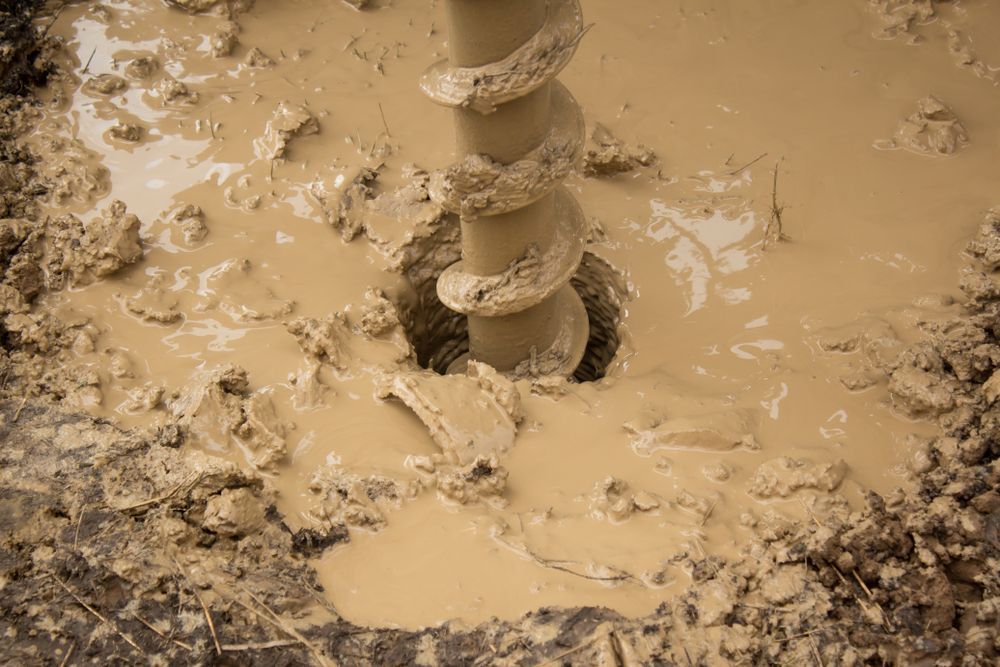
Drilling fluid — often referred to as drilling mud — is an essential component of directional drilling operations. This fluid is pumped through the drill string and exits near the drill bit during drilling. Drilling fluid serves several important functions:
- Cooling and lubricating the drill bit
- Stabilising the borehole walls
- Carrying excavated soil away from the drilling area
- Reducing friction during pipe installation
Mud pumps are used to circulate drilling fluid through the system. These pumps ensure the fluid flows at the appropriate pressure and volume for the drilling conditions. In Darwin, where soil conditions can vary significantly across sites, effective drilling fluid management is important for maintaining bore stability and protecting equipment.
Drill Pipes and Rod Handling Systems
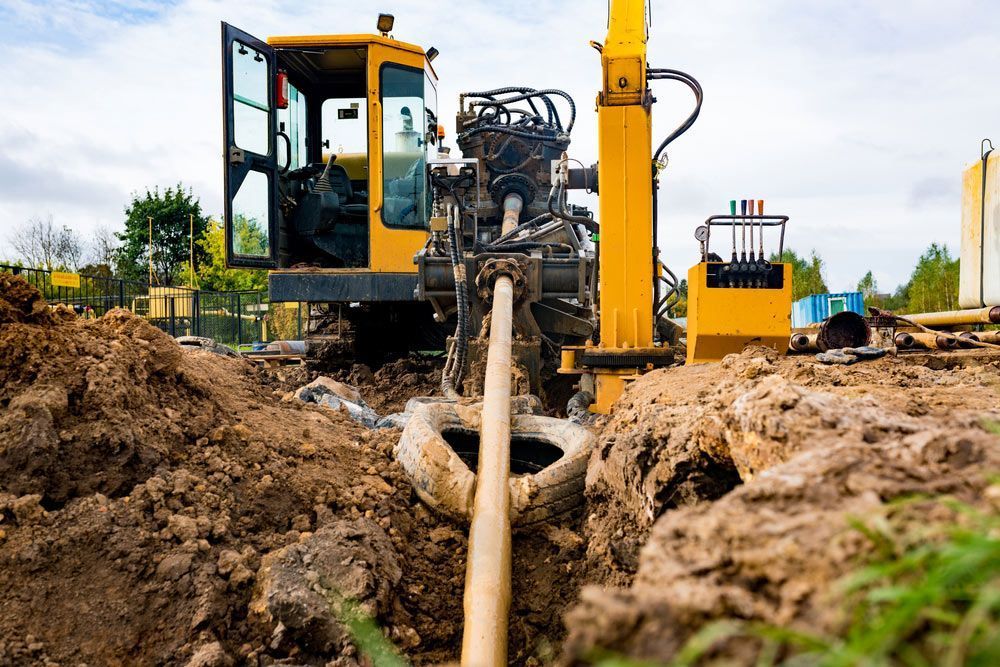
Drill pipes — often called drill rods — connect the drill rig to the drill head. These pipes transmit rotational force and drilling fluid throughout the drilling assembly. During a directional drilling project, additional rods are added to extend the drill string as the bore progresses. Rod handling systems help manage this process efficiently. Many modern drill rigs include automated rod loading systems that:
- Reduce manual handling
- Improve operator safety
- Increase drilling speed and efficiency
Reliable rod handling systems are particularly important for larger Darwin directional drilling projects where longer bores are required.
Pipe Pullback Equipment
After the pilot hole has been drilled and enlarged with reamers, the final stage of directional drilling involves pulling the utility pipe or conduit through the borehole. This process is known as the pullback phase. During pullback, the pipe is connected to the drilling assembly and drawn through the borehole as the drill rig retracts the drill rods.
The rig must generate sufficient pullback force to move the pipe safely without damaging the installation. Pullback equipment ensures the pipe is installed smoothly and accurately along the prepared bore path. For infrastructure installations such as water pipelines or telecommunications conduits, proper pullback procedures are essential to the success of works.
Safety and Monitoring Equipment
Safety is a critical consideration in any directional drilling operation. Alongside the main drilling machinery, a range of additional equipment is used to monitor site conditions and ensure safe working practices. Examples of safety and monitoring equipment include:
- Utility detection systems to locate existing underground services
- Pressure monitoring tools for drilling fluid systems
- Communication systems for coordination between crew members
- Protective equipment for operators and site workers
These tools help drilling teams identify potential risks early and maintain safe working conditions throughout the project. For Darwin directional drilling operations, where projects may occur near roads, buildings or sensitive infrastructure, safety planning and monitoring play a vital role.
Why the Right Equipment Matters
Directional drilling requires careful planning, skilled operators and reliable equipment. Each piece of machinery — from the drill rig to the guidance system — plays a specific role in ensuring the bore is completed accurately and efficiently. Using modern equipment helps drilling contractors achieve several important goals:
- Improved drilling accuracy
- Reduced environmental disruption
- Faster project completion
- Increased operational safety
- Reliable installation of underground utilities
Contractors who specialise in directional drilling in Darwin often invest in advanced machinery and trained operators to deliver consistent results across a wide range of underground construction projects.
Supporting Infrastructure Development in Darwin
As infrastructure development continues across the Northern Territory, trenchless technologies such as directional drilling are becoming increasingly valuable. This method allows utilities to be installed beneath roads, buildings and environmentally sensitive areas without the need for large-scale excavation.
Reliable directional drilling services provide an efficient solution for projects involving telecommunications networks, water infrastructure, gas pipelines and electrical systems.
By using specialised equipment and experienced operators, directional drilling contractors can help ensure underground installations are completed safely, accurately and with minimal surface disruption.
Understanding the tools and equipment used in directional drilling offers valuable insight into how this technology supports modern infrastructure development. From drill rigs and guidance systems to mud pumps and pipe handling equipment, each component plays a critical role in delivering successful directional drilling projects.
Contact Austar Underground to enquire.